CHANGE IS ABOUT TO GET REAL.
2025. What a year. From Labubu madness to the rise of AI, 2025 was a year of technological shifts, cultural phenomena, and geopolitical tensions. It was also the second warmest year in history, with rising greenhouse gases and ocean heat, yet weakening action and commitment-backtrack from brands and nations alike.
For ARMEDANGELS, 2025 was a year of acceleration, innovation and elevation.
Year two of our Impact* Roadmap pushed us further on our journey to make a difference. We are so excited to share this journey with you in our 2025 Impact Report. This is our annual behind-the-seams look at our business: what has happened, what went well, our challenges and our future plans, laid out here for you. So read on changemaker. Together, let’s make fashion a force for good.
ABOUT THIS REPORT
This report covers activities and results from the Company’s fiscal year from 1st January 2025-31st December 2025. We publish this report annually. The methods used to gather, report and verify information in this report are based on ARMEDANGEL’s own processes aligned with best practice approaches. It is inspired by the EU’s VSME Reporting Standards.

‘Mollit excepteur officia tempor sunt exercitation est aute cupidatat. Lorem ex sit do sunt sit incididunt enim cupidatat. Magna Lorem tempor ullamco dolore in dolore laborum laborum pariatur esse. Officia voluptate in quis cupidatat.’
MARTIN HÖFFELER, CEO
For too long, fashion has fuelled environmental damage and social inequality, with profit and pollution overshadowing creativity and collaboration. Since 2007, ARMEDANGELS has been on a mission to change that. We exist to challenge the status quo and prove fashion can be a force for good.
What started with a single t-shirt and two students from Cologne has grown into something bigger: a business built on the belief that we can do things differently. We ask the difficult questions. We make the tough choices. We design for longevity, guided by science and driven by purpose.
OUR VISION
A planet we’re proud to pass on to future generations.
OUR MISSION
Make products people love that are the least harmful to the planet and enable people to fight climate change.
At the heart of it all is our North Star: can we decouple business growth from environmental harm and social injustice? It’s a big challenge that demands systemic change and genuine collaboration. We haven’t achieved it yet, but every day we move closer.
2025 IMPACT HIGHLIGHTS
IMPACT* ROADMAP
2025 marked Year Two of our Impact* Roadmap, and we made steady progress across all five pillars. For those new here, the Impact* Roadmap (*change is about to get real) is our strategic backbone. It’s how we translate our North Star into tangible action across our entire value chain, from climate and circularity to human rights and supply chain transparency. Five holistic pillars, one guiding ambition, keeping us focused on what matters most.
WHAT IS INSIDE THIS REPORT?
Read on to explore our strategic pillars and the progress we’ve made across each one. Discover the innovations pushing us forward,the challenges we’re navigating, and the partnerships making it all possible. From material breakthroughs to circularity milestones, from supply chain transparency to community building, this is the full story of how we’re making fashion a force for good.
Ready? Let’s dive in.
OUR PEOPLE COME FIRST
Taking care of our team goes beyond just the job – we want to create an environment where people can learn, connect, be themselves and thrive – and look forward to coming to work each day.
EMPLOYEES BY GENDER
OUR SUPPLIERS
OUR SUPPLIERS
Germany
Germany has high labor standards, supported by European regulations, but persistent risks remain in sectors like garment and manufacturing. According to the, ITUC Global Rights Index, Germany has a rating of 1, reflecting sporadic violations of rights, and Civicus Monitor rates the civic space as ‘Narrowed’, suggesting concerns regarding workers’ rights. These include discrimination in hiring, unequal compensation, unpaid overtime, and workers being paid below a living wage. Despite a robust legal framework, further improvements in worker rights and conditions are needed.
SUPPLIERS
Italy
Germany has high labor standards, supported by European regulations, but persistent risks remain in sectors like garment and manufacturing. According to the, ITUC Global Rights Index, Germany has a rating of 1, reflecting sporadic violations of rights, and Civicus Monitor rates the civic space as ‘Narrowed’, suggesting concerns regarding workers’ rights. These include discrimination in hiring, unequal compensation, unpaid overtime, and workers being paid below a living wage. Despite a robust legal framework, further improvements in worker rights and conditions are needed.
Suppliers
Turkey
Through sales, we raised €32,355.45 for two partner NGOs: HateAid and cultures interactive e.V. Each organization received €16,200 to support their work promoting democracy, standing up against hate and disinformation, and empowering people to raise their voices online and offline.
The collection gave our community a way to wear their values visibly. Every purchase became a small act of resistance against rising hate and polarization. Eike König’s powerful design turned garments into conversation starters.
This campaign reminded us that fashion can amplify values, support movements, and fund organizations doing critical work to protect democracy. Thank you to everyone who stood with us.
Suppliers
Portugal
In 2025, we partnered with Wikipedia to support one of the last corners of the internet where knowledge isn’t sold, filtered, or manipulated by algorithms. Siuuu
Suppliers
Tunisia
The ARMEDANGELS Material Guide is our roadmap for every fiber we use. It defines our principles, sets requirements, and establishes goals that keep our team and suppliers aligned on our material strategy.
Egypt
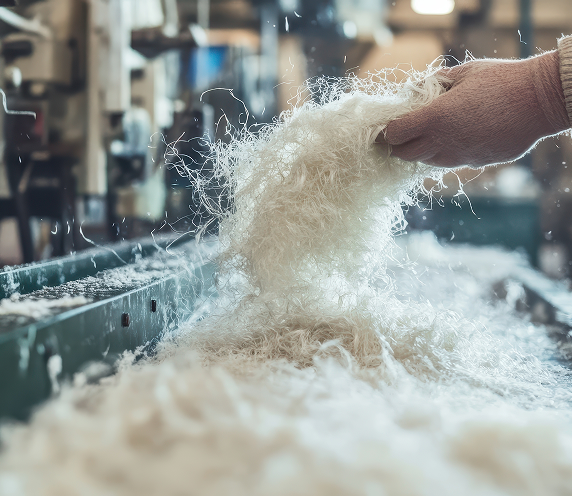
In 2025, we introduced three groundbreaking materials that expand what’s possible in sustainable fashion. Each one addresses a critical gap, and we are excited about the potential of these game changing next-gen innovations.
In 2025, we introduced three groundbreaking materials that expand what’s possible in sustainable fashion. Each one addresses a critical gap, and we are excited about the potential of these game changing next-gen innovations.






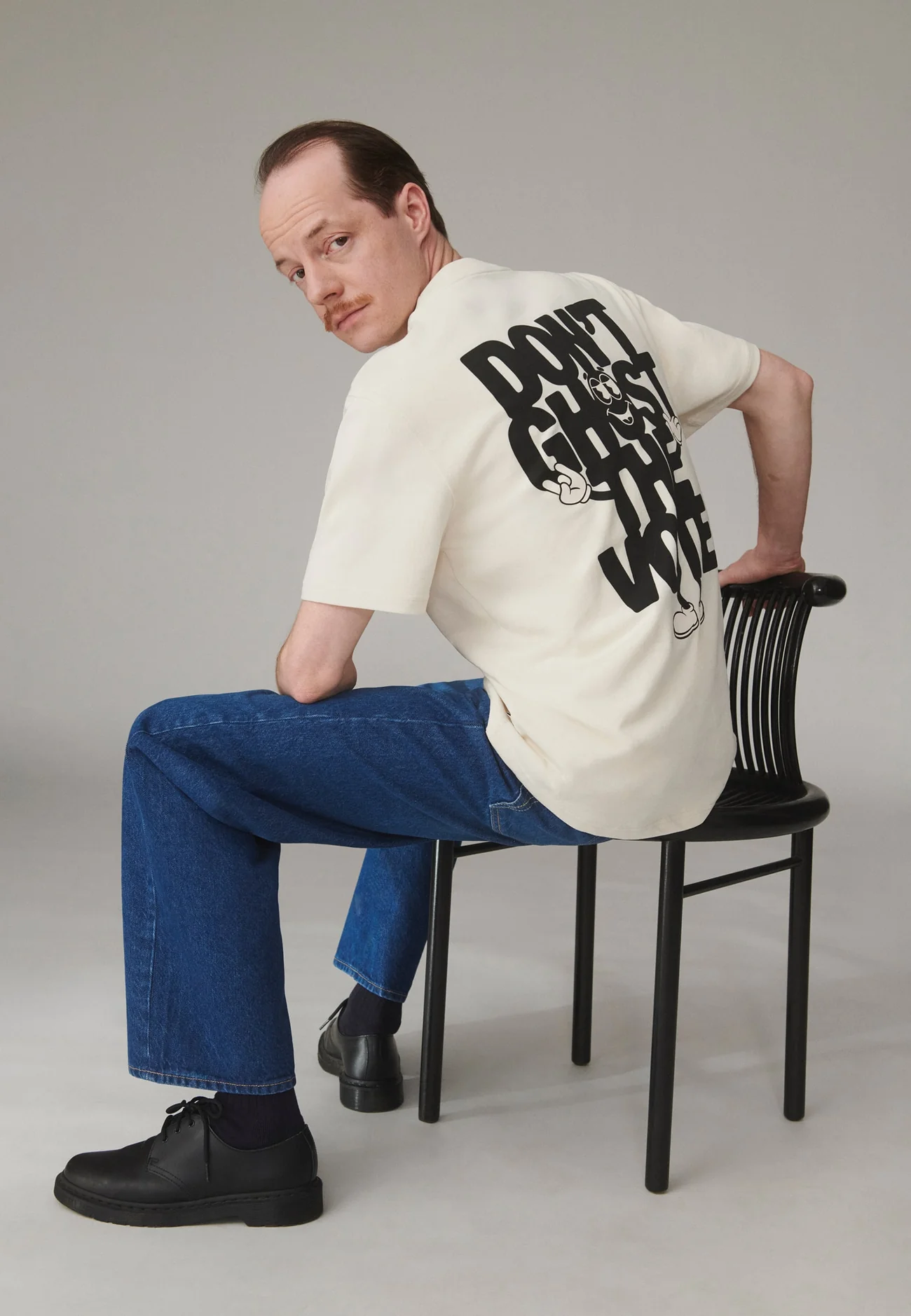
FASHION AS A STATEMENT FOR DEMOCRACY
In 2025, we launched the DEMOCRACY Collection, designed by artist Eike König, proving that fashion can be more than what we wear but it can be a statement for democratic values.
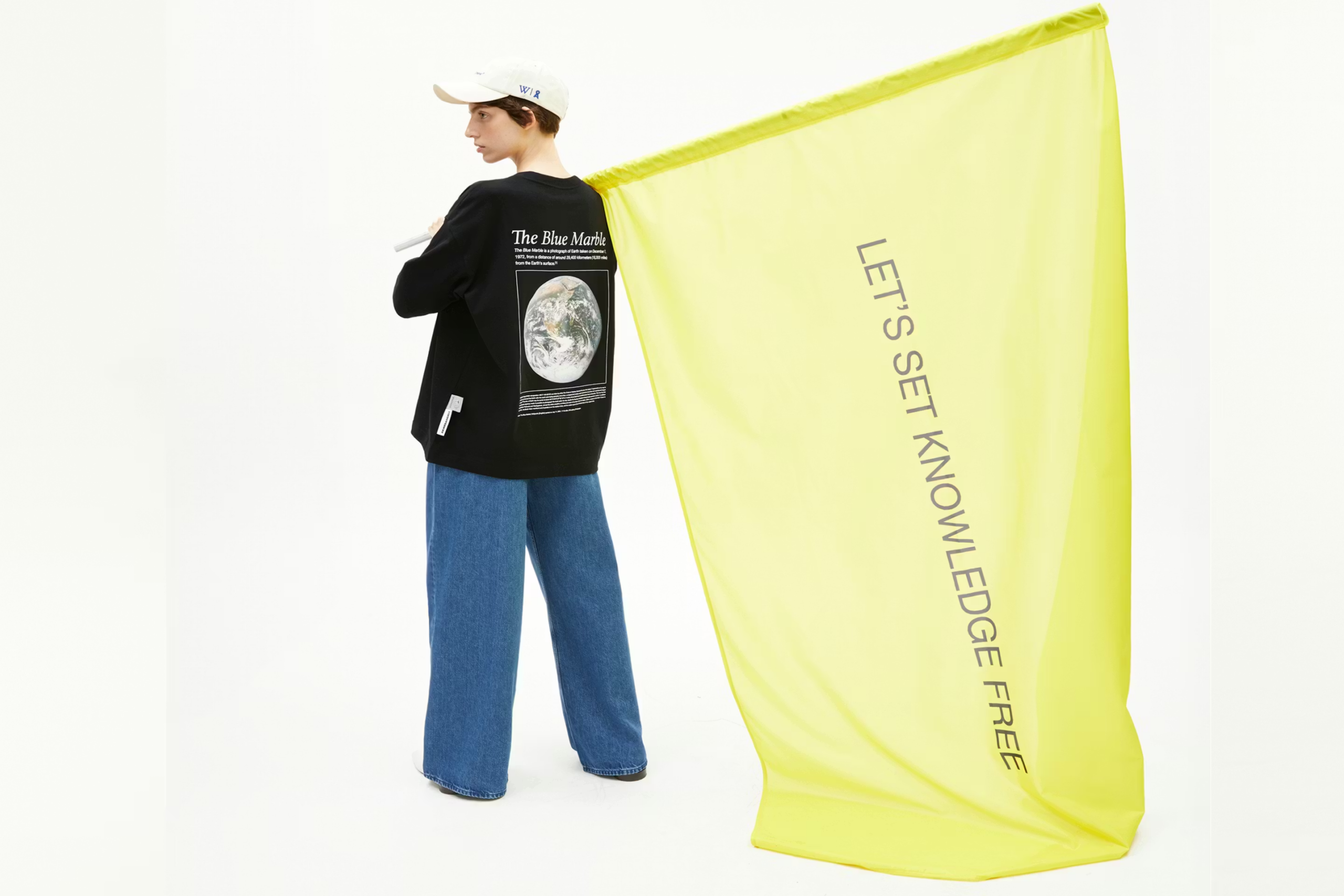
for fact’s sake
In 2025, we partnered with Wikipedia to support one of the last corners of the internet where knowledge isn’t sold, filtered, or manipulated by algorithms.
Certifications
Get to Know our Supply Chain
Understanding Tiers 1-4
Ever wondered where your clothes actually come from? Not just which factory, but the whole journey before that garment reached the sewing floor, and of course, before it reaches your wardrobe?
Your garment doesn’t start at a factory. It starts with cotton growing in a field, wool sheared from sheep who have been respected, from wood pulp or textile waste waiting for a second life. From there, it travels through multiple stages, across different countries, facilities, interacting with many different hands, before it becomes the piece you’re wearing.
Supplier and Sourcing Country Profiles
Human rights risks aren’t uniform across our supply chain. They vary by country, by region, and by facility. Labour laws, enforcement, minimum wages, union rights; these all differ depending on where production happens. That’s why we assess country-specific risks and profile each supplier individually.
Learn more about our suppliers and country risk profiles, where we outline the information, identified risks and improvement plans.
Key information to note:
The factory significant risk score is a combination of likelihood (dependent on how widespread the potential harm is) and severity (depends on scale, scope and remediability of the potential harm). 1 = low and 5 = high.
For even more detail (yes there is more!) download our supplier insights 2025 report
Tier 1
Tier 1 – subcontractors
DESIGN PRINCIPLES FOR CIRCULARITY
In 2025, we created and launched our Design Principles for Circularity. This landmark achievement fundamentally shifts how every garment at ARMEDANGELS is conceived, designed, and produced.
The numbers tell a stark story: less than 1% of textile waste is recycled into new textiles. The rest? Landfilled, incinerated, or polluting our oceans. The linear “take, make, waste” model is broken. Our mission to create a planet we’re proud to pass on demands a different approach, one where circularity addresses the full lifecycle of our products.
ARE WE DESIGNING FOR LANDFILLS?
Working with external experts at Circular.Fashion, we developed four principles aligned with the highest industry standards. These aren’t abstract ideals. They’re supported by design decision pathways that distil complex circularity criteria into clear, actionable guidance for our teams.
our partners